 I watched my granddad prune the bougainvillea and this led to me becoming interested in finding out about the plant. After finding out lots of information I wrote an article for his newspaper and also I went back and told him to be careful with what he was doing. More about that at the end of this article.
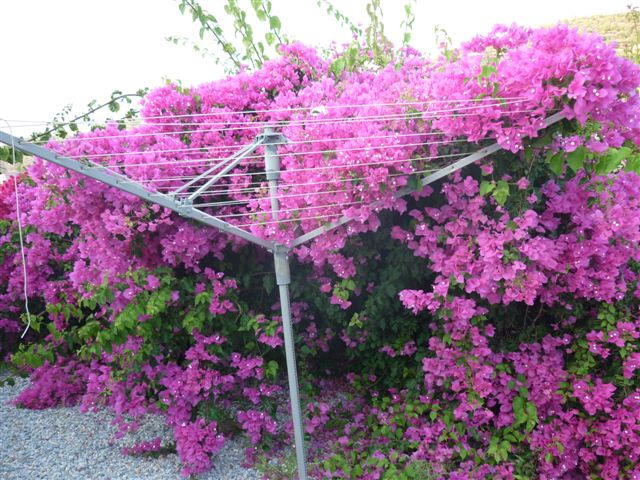
Bougainvillea was first found in Brazil, west of Peru and South of Argentina. There are many around the Mediterranean. They have thorns tipped with a black waxy material. They are evergreen where there is rainfall all year round. They grow from 1 metre to 12 metres tall. Their leaves are 4 -13 cms long and 2 – 6 cms wide.
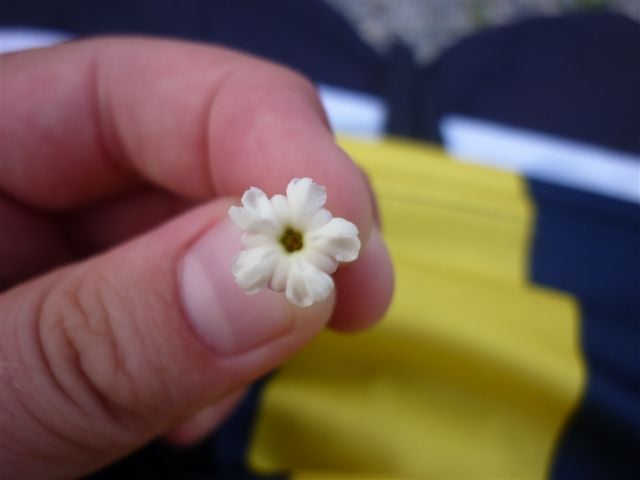
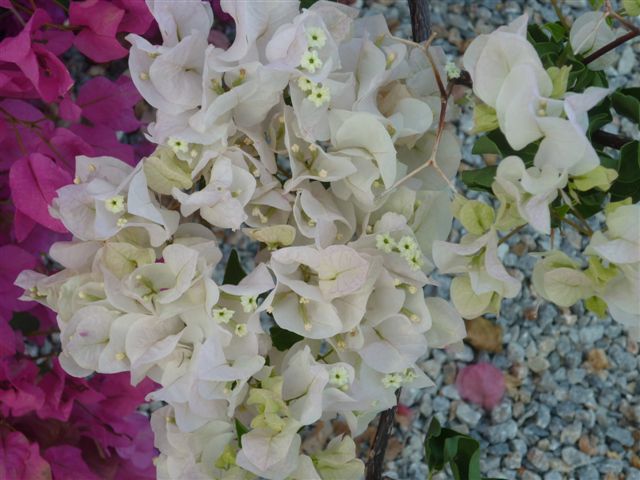
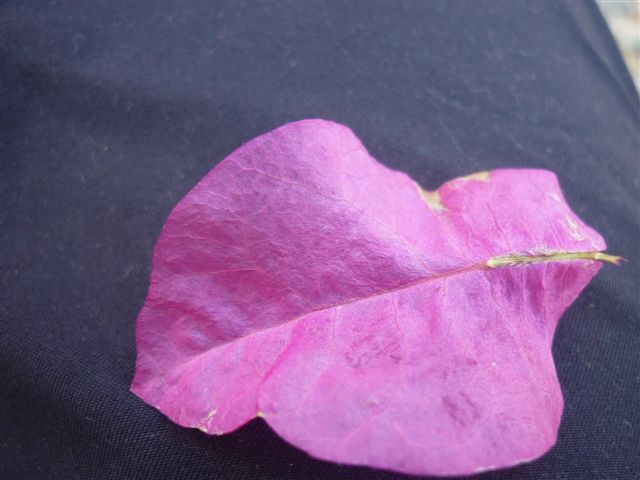
The actual flower is small and white but it is surrounded by coloured leaves (3-6). The colours they can be are pink, magenta, purple, red, orange, white or yellow. The bougainvillea glabra is also known as paper flower because they are thin transparent bracts (the leaf like structure from which the flower grows). The fruit is a narrow five lobed achene (seed pod). It is a one seeded fruit.
Bougainvillea has many varieties including Bougainvillea buttiana, glabra, peruviana, spectabilis, spinosa.
Bougainvilleas are relatively pest free plants but may suffer from worms and aphids. The larvae from some butterflies and moths also use them as food plants, for example the Giant Leopard Moth.
WARNING : The sap of Bougainvillea can cause skin rashes similar to poison oak and poison ivy. So, when working with this plant caution be careful! Poor granddad he now knows why he came out in a rash every time he pruned Bourgainvillea


Recent Comments